When discussing the most durable elements of a roofing system, leadwork consistently stands out as one of the longest-lasting materials used in modern and traditional roofing alike. For centuries, lead has been trusted to protect vulnerable roof areas from water ingress and weather damage. Even today, it remains a preferred choice for professional roofers due to its exceptional lifespan, flexibility and reliability. For homeowners in Nuneaton, Warwickshire, investing in high-quality leadwork can significantly improve the longevity and performance of a roof.
At Nuneaton Roofing Repairs, we provide expert leadwork installation and repair services that help protect properties from the damaging effects of moisture and weather exposure.
What Is Roofing Leadwork?
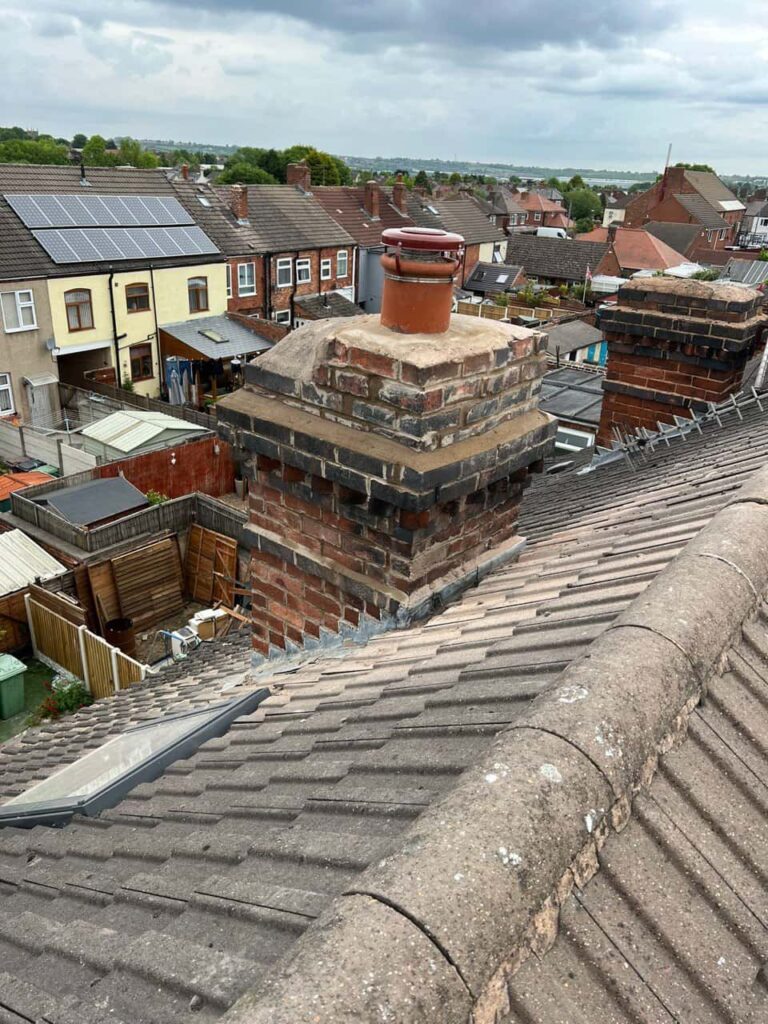
Leadwork refers to the installation of lead sheeting in areas of the roof where water is most likely to penetrate. These sections often include roof junctions, valleys and other vulnerable points where different roofing materials meet.
Lead is commonly used around:
- Chimneys
- Roof valleys
- Dormer windows
- Abutment walls
- Roof junctions and flashing details
These areas require durable waterproof protection to prevent leaks and structural damage.
Lead Is Naturally Resistant to Weather
One of the primary reasons leadwork lasts so long is its exceptional resistance to the British climate. Roofing materials are constantly exposed to rain, wind, frost and temperature fluctuations, but lead performs remarkably well under these conditions.
Its weather-resistant properties help it:
- Resist corrosion
- Maintain waterproof performance
- Withstand years of exposure to rainfall
- Remain effective during seasonal weather changes
This durability contributes significantly to its long service life.
Flexibility Prevents Cracking and Failure
Unlike many rigid roofing materials, lead remains highly flexible throughout its lifespan. This flexibility allows it to expand and contract naturally as temperatures change.
The benefits of this include:
- Reduced risk of cracking
- Better adaptation to structural movement
- Improved waterproof sealing
- Long-term durability around roof junctions
Because roofs naturally move over time, flexible materials such as lead are particularly effective in maintaining reliable protection.
Creates a Strong Waterproof Barrier
The primary purpose of leadwork is to keep water out of the roof structure. When professionally installed, lead forms a highly effective waterproof barrier that protects vulnerable roofing areas from moisture penetration.
Quality leadwork helps prevent:
- Roof leaks
- Damp penetration
- Rotting roof timbers
- Internal water damage
This protection plays a crucial role in preserving the condition of the entire roofing system.
Lead Performs Well in High-Risk Roof Areas
Certain parts of a roof are naturally more susceptible to water ingress. Chimneys, valleys and wall junctions experience concentrated water flow and often require additional protection.
Leadwork excels in these locations because it:
- Directs water safely away from vulnerable points
- Maintains secure seals around roof features
- Provides long-lasting protection in high-exposure areas
- Helps prevent recurring leak problems
Its ability to protect these critical sections is one reason it remains widely used today.
Quality Installation Is Just as Important as the Material
While lead itself is highly durable, its lifespan depends heavily on the quality of the installation. Poorly fitted leadwork may fail prematurely regardless of the material’s natural strengths.
Professional installation ensures:
- Correct sizing and fitting of lead sheets
- Proper expansion allowances
- Secure fixing methods
- Effective water drainage around roof details
When installed correctly, leadwork can continue performing effectively for many years.
Low Maintenance Requirements
Another reason quality leadwork lasts so long is that it generally requires very little maintenance. Once installed properly, lead can provide reliable protection without frequent intervention.
Routine roof inspections may help identify:
- Minor movement in older leadwork
- Build-up of debris around flashing areas
- General roof maintenance requirements
However, compared to many roofing materials, lead remains remarkably low maintenance.
Protects the Lifespan of the Entire Roof
Leadwork does more than protect individual roof sections. By preventing water ingress at vulnerable points, it helps preserve the condition of the entire roofing structure.
Effective leadwork supports:
- Healthier roof timbers
- Dry loft spaces
- Improved roof longevity
- Reduced risk of structural deterioration
This makes it one of the most valuable components of a well-maintained roofing system.
Why Professional Leadwork Matters
Lead installation requires specialist knowledge and experience. Poor workmanship can reduce effectiveness and shorten the lifespan of the material.
Professional roofing contractors understand:
- Correct leadwork techniques
- Appropriate expansion detailing
- Waterproof installation methods
- Long-term performance requirements
At Nuneaton Roofing Repairs, we provide professional leadwork services throughout Nuneaton, Warwickshire, ensuring every installation is completed to the highest standards.
Conclusion
Quality leadwork remains one of the most durable and reliable roofing solutions available. Its weather resistance, flexibility and ability to create a long-lasting waterproof barrier make it an essential component of many roofing systems.
For homeowners in Nuneaton, Warwickshire, professionally installed leadwork can significantly improve roof longevity while helping to prevent leaks and structural damage for many years to come.
If your roof requires leadwork repairs, replacement flashing or a professional inspection, Nuneaton Roofing Repairs is here to help. Contact our experienced team today to discuss expert leadwork solutions tailored to your property.
Call us on: 02475424593
Click here to find out more about Nuneaton Roofing Repairs
Click here to complete our contact form and see how we can help with your roofing needs.