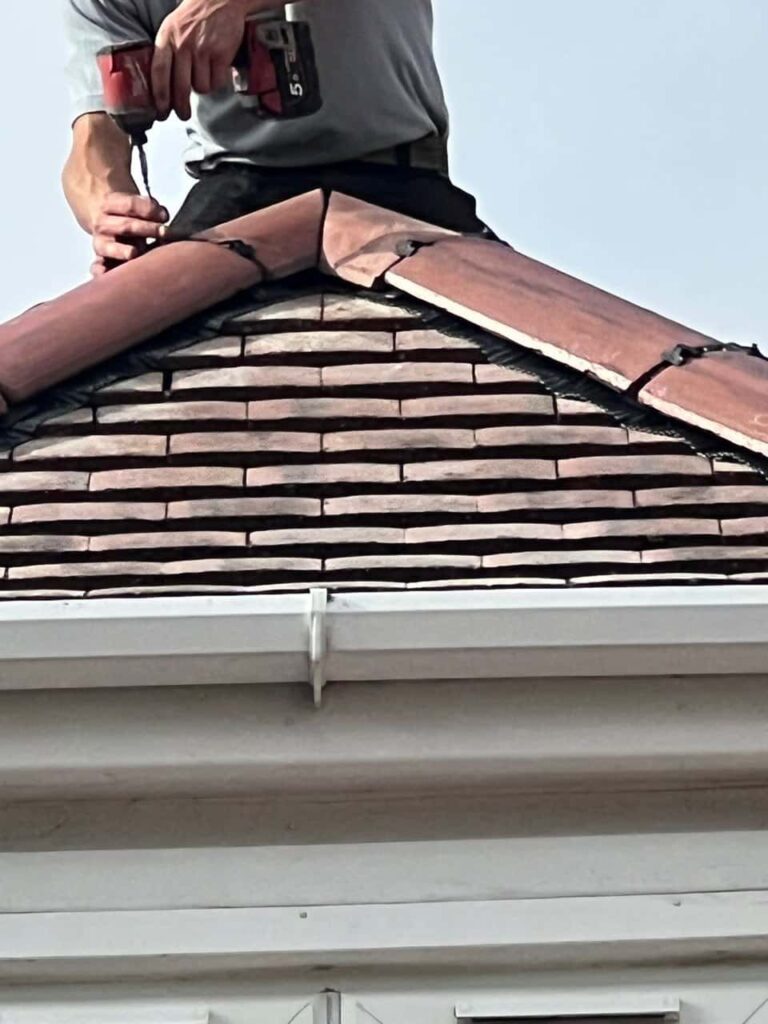
Lead flashing is an important part of many roofing systems, helping protect vulnerable joints where the roof meets walls, chimneys, roof abutments and other structures. When flashing becomes damaged or deteriorates, water can find a route into the roof and surrounding areas.
For properties in Nuneaton, Warwickshire, identifying damaged lead flashing early can help prevent moisture from causing more extensive roofing problems. Understanding the warning signs can also help property owners know when professional attention may be required.
What Is Lead Flashing and What Does It Do?
Lead flashing is installed around areas where different parts of a building meet. Its purpose is to create a weather-resistant barrier that directs rainwater away from vulnerable joints.
Because flashing is exposed to the elements, it can eventually develop problems through weathering, movement, poor installation or physical damage. Even when the main roof covering appears to be in good condition, defective flashing can still result in water ingress.
Common Signs of Damaged Lead Flashing
Some flashing problems are visible from ground level, while others require a closer professional inspection.
Cracks and Splits
Cracked or split sections of lead flashing can compromise the seal around a roof junction. Water may then penetrate behind the flashing and enter the underlying structure.
Small defects can become more noticeable over time, particularly when exposed to repeated rainfall and temperature changes.
Loose or Lifted Flashing
Flashing that has become loose, lifted or displaced may no longer direct water correctly. Gaps can develop between the flashing and the surrounding surface, creating potential entry points for rainwater.
Loose sections should be assessed rather than simply pushed back into position, as the underlying cause may need to be addressed.
Corrosion and Surface Deterioration
Although lead is durable, its surface can deteriorate under certain conditions. Visible deterioration, damaged joints or changes around the flashing may indicate that an inspection is appropriate.
The condition of the surrounding mortar and roofing materials should also be considered when assessing flashing.
Damp Patches and Water Staining
Internal damp patches, discolouration or water marks around ceilings and walls can sometimes be linked to defective flashing. This is particularly relevant when the affected area is close to a chimney, roof junction or abutment.
The visible water damage may not appear directly below the flashing defect because moisture can travel through roofing structures before becoming visible internally.
Failed Joints
Joints between sections of flashing are particularly important because they need to remain weather resistant. If a joint has opened, deteriorated or become damaged, rainwater may be able to pass through.
Professional inspection can help determine whether a joint requires repair, resealing or more extensive flashing work.
Why Damaged Lead Flashing Matters
A small flashing defect can allow water to enter areas that are not immediately visible. Continued moisture penetration may eventually affect timber, insulation, roof structures and internal finishes.
Addressing the source of a leak is therefore important rather than simply treating the visible damp patch inside the property. Identifying and repairing defective flashing can help prevent the same problem from recurring.
Can Lead Flashing Be Repaired?
The appropriate solution depends on the condition and extent of the damage. Localised defects may be suitable for repair, while badly deteriorated or displaced sections may require replacement.
A professional roofer can inspect the flashing, surrounding roof materials and junctions to determine the cause of the problem and recommend suitable work.
Repairs should be carried out carefully to ensure the flashing continues to direct water away from vulnerable areas.
How to Spot Flashing Problems Early
Regular visual checks can help identify changes before they develop into more significant problems. Look for visible gaps, lifted edges, cracks, damaged joints and signs of water staining around internal areas.
If you notice recurring dampness after rainfall or suspect that water is entering around a chimney or roof junction, arranging a professional inspection can help establish the source.
Professional Lead Flashing Repairs in Nuneaton
At Nuneaton Roofing Repairs, we provide professional roofing services for properties in Nuneaton, Warwickshire. We can assess damaged or deteriorating lead flashing and examine surrounding areas for signs of water ingress.
Whether the issue involves a loose section, damaged joint, visible deterioration or a suspected leak, identifying the cause is an important part of determining the appropriate repair.
Conclusion
Lead flashing provides an important layer of protection at vulnerable roofing junctions. Cracks, loose sections, damaged joints, deterioration and internal water staining can all indicate that flashing requires attention.
Dealing with these warning signs early can help reduce the risk of continued water ingress and further roof damage. If you are concerned about lead flashing on a property in Nuneaton, Warwickshire, contact Nuneaton Roofing Repairs to arrange a professional assessment and discuss the appropriate repair solution.
Call us on: 02475424593
Click here to find out more about Nuneaton Roofing Repairs
Click here to complete our contact form and see how we can help with your roofing needs.